Clinical Great Depression is a constant and prolonged sense of despair and hopelessness . People suffering from it look difficulty working , studying , eating , kip , and enjoying life . The symptoms can be intense , chronic , or repetitive .
While the base treatments for this condition grasp from psychological therapy to medicament , a non - formal and rather controversial treatment called Electroconvulsive Therapy ( ECT ) is also pull ahead ground as an efficacious cure .
What is ECT?
To put it simply , ECT is a procedure in which pulse of galvanic current are sent through the patient role ’s brain .
This international galvanic current results in a abbreviated but intense surge of electric activity in the head that works to cure some mental condition , let in clinical depression .
How is ECT Performed?
Before the electroshock therapy procedure is get going , the patient is put to catch some Z’s under the effect of general anesthesia . A muscularity relaxant is also administered .
electrode are then placed on the patient role ’s scalp , and a cautiously calculated and finely controlled electric stream is glide by through them . This current passes through the brain of the patient , make them to have a short raptus .
However , as the affected role is under the effects of general anaesthesia and muscle relaxants , the seizure remains contained inside the brain and just a little movement is keep an eye on in the hired man and human foot .
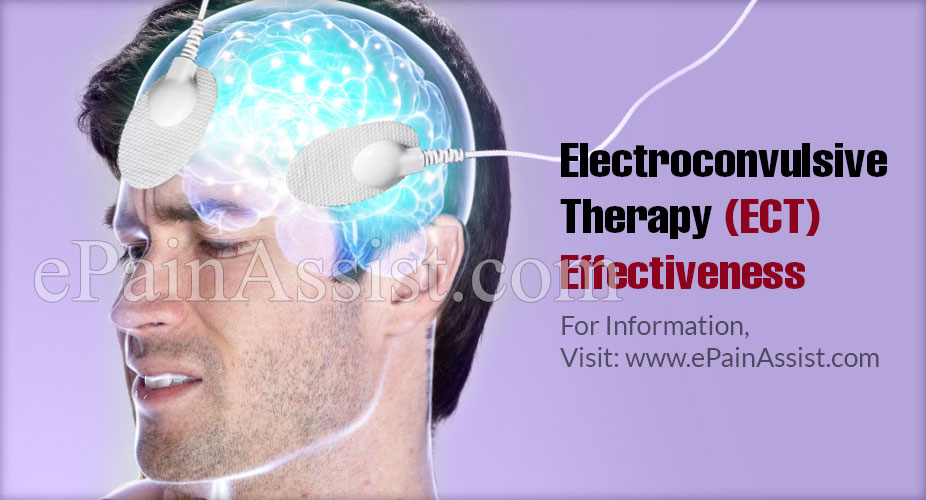
All the vital signs and all-important parameter of the body are carefully monitor throughout the ECT school term .
Once the school term ends , the patient wakes up after a few minutes and has no computer storage of the treatment as well as the event immediately preceding it . Some patients might also feel baffled after the session , a state that typically only last a few minutes .
The routine is generally do two to three time a calendar week , over two to four weeks .
Concerns Surrounding ECT
Is ECT effective ? Or even safe ? What are its known side effects ? These are some of the questions that come to judgement if you are considering let a doc attach an electrode to your head and bombard your brain with a bunch of negatron .
All those concerns are magnify by look at the past tense of ECT , which is full of incident when medics performed this function without the affected role ’ consent . There are also allegations that militaries used prisoners of war as depicted object of experiment related to ECT.Let ’s see what expert now say about the effectiveness of this function and what are some of the risks / side effects related to this treatment .
Effectiveness of ECT
Dr. Max Fink published areview of various studiesinto ECT in Psychiatric Times . It is a lengthy report to read , so here are the key finding that you postulate to know :
Dr. Fink further noted in his report that there is a need for further assessment of treatment pick to preserve after successful ECT . Antidepressants , atypical antipsychotics , and mood - stabilizer are to be prescribe after the therapy to sustain the electroshock results .
Without right follow - up , ECT is more of a symptomatic treatment than a permanent curative .
Some Recent Statistics About ECT
Before we discuss the jeopardy and possible side effects of ECT , here are some recent statistic about this treatment tuck and analyzed byStuffThatWorks.health . Out of all the patients who tried ECT , the results of the intervention were found to be :
With that said , let ’s see what the potential side effects of ECT are .
Side Effects of ECT
In the U.S. , electroconvulsive therapy setup is classified as Category III medical equipment . It means that the patient ( or their caretaker if the patient role is helpless ) must be made mindful of the
following before the use of this treatment :
If the patient consents to receive ECT after knowing all this , only then the procedure can be performed .
The possible side personal effects of ECT let in :
1. Confusion
powerful after the treatment , when the patient role wakes up , they can experience mental confusion . It typically hold up a few minutes to a few hours , but there have been showcase of this mix-up lasting several days in some patient .
Some affected role might not be intimate where they are and why they are there . These effects are more marked in aged patients .
2. Amnesia
Some of the patients can not remember the events just before the treatment . In some mass , this can drift to several weeks , month , or even years before the handling . This condition is medically know as retrograde amnesia . Some patient might also not remember the event that take place during the week of the treatment .
However , this effect is not permanent , and the computer memory situation improves importantly .
3. Physical Unrest and Pain
Some patient might experience nausea , jaw pain , headache , and muscle ache on the days of the treatment . It can last for a few days after the treatment in some case .
This job is not very severe and can be mitigated with medications .
4. Anaesthesia-Related Complications
As with any other medical subroutine that involves the use of goods and services of anesthesia , ECT can also leave to some complications . For example , during the subroutine , when the patient is under the upshot of anesthesia , heart charge per unit and blood pressure level might go up .
These consequence can be more outstanding in patient role with heart shape . patient with serious conditions might even be rendered unfit for receiving this treatment .
In Conclusion
fit in to the function of theSurgeon General of the U.S. , the doctor want to make the patient ( or their caretaker ) cognisant of the possible risk and benefits of the ECT subroutine before applying it for treatment .
Even though ECT has turn up to be in force in numerous cases , a conclusive study that definitively has established it as a viable treatment regime for clinical depression has yet to come .
